
 Do you like urbirun? Then why not buy me a coffee or a chocolate chip cookie to encourage me? Thank you very much for your support!


Subscribe to our newsletter and keep up to date with urbirun news, new destinations and exclusive routes.
Join de urbirun newsletterWant to get faster at running? What if the secret was to slow down? Contrary to popular belief, running fast on every run isn’t the best way to improve. If you want to build endurance, improve your pace and reduce your risk of injury, you need to learn to run slowly!
Run Slow to Build Endurance
This is the principle behind building an aerobic base: run at a comfortable pace that allows you to hold a conversation without getting out of breath (or swearing under your breath, unlike during interval training sessions).
At this intensity, your body learns to use its energy stores more efficiently, your heart becomes more efficient, and your muscles adapt to the demands of running.
The result? You can run for longer without getting as tired. It’s an essential foundation for improving your running and, eventually, running faster.
Why Running Too Fast on Every Run Is a Mistake
Going hard on every run puts more stress on your body and makes recovery harder. Over time, it can also increase your risk of injury.
It might sound counterintuitive, but if you want to improve your running, it’s better to mix up your paces: easy runs to build endurance and faster sessions to work on speed. Most of your weekly mileage should feel easy.
How Do You Know If You’re Running Slowly Enough?
Forget your watch! The best indicator is simple: you should be able to hold a conversation without running out of breath. If you’re struggling to finish a sentence, slow down—even if that means alternating between running and walking.
Your ideal pace depends on your fitness level, how tired you are and the terrain. There’s no need to compare yourself with others or obsess over Strava. What matters is your effort level—your effort level. That’s what you should focus on. Everything else is secondary.
Running Is Also About Taking Your Time!
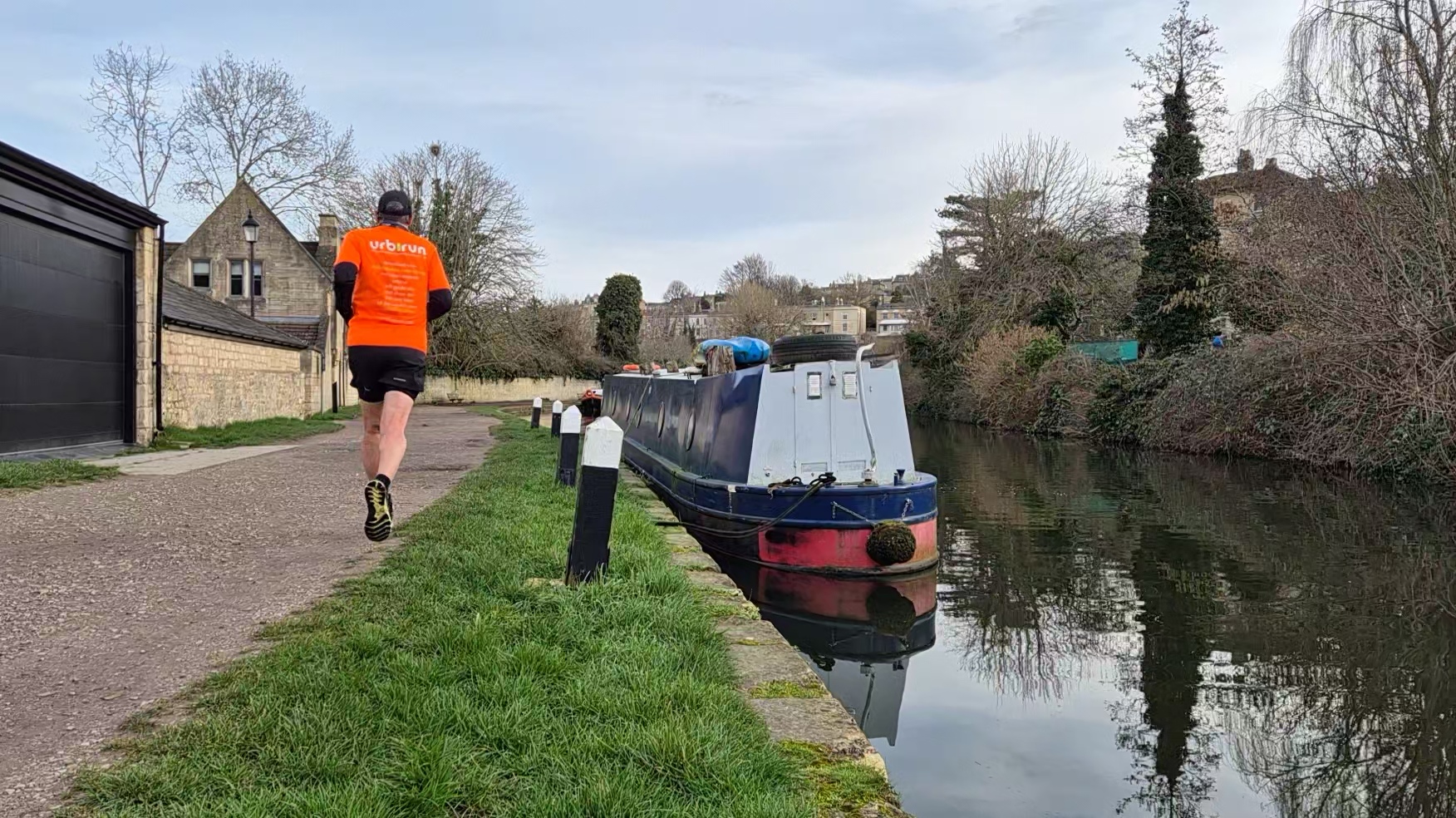
Running slowly also gives you a chance to enjoy the scenery and take in your surroundings. This is especially true when you’re travelling and want to explore a new city on foot, at your own pace.
You can even follow a downloadable Urbirun route to explore without running aimlessly or getting lost. You’ll discover the best viewpoints, famous landmarks and iconic spots along the way—all without constantly staring at your watch.
The key takeaway: if you want to run faster, start by running slower. You’ll build endurance, improve recovery and make more sustainable progress while reducing your risk of injury. And when you’re travelling, you’ll discover cities in a whole new way—with your eyes wide open as you run!